
Jackson County Arrest Warrants Explained
An arrest warrant is a judge's written command. It authorizes law enforcement to take a named person into custody. The judge signs only after reviewing sworn facts that establish probable cause, a reasonable belief that an offense happened and that this person committed it. In Jackson County, Magistrate Court carries most of this load. The Jackson County Criminal Warrants page names Magistrate Court as the primary court for arrest and search warrants, with a Chief or Associate Magistrate on hand around the clock to review and sign them. As a case moves forward, the Superior Court of Georgia, the Piedmont Judicial Circuit, and State Court can all come into play.
Jackson County Probable-Cause Review
A warrant application is not a web form anyone can fire off. A judge reviews sworn facts. Georgia's statute, O.C.G.A. § 17-4-40, governs that judicial review. When a private person applies, Jackson County generally wants a prior law-enforcement report, plus an incident report if officers made no arrest. The current application is form W-A-MGCT-01-01-2026, and it asks for the applicant, the proposed defendant, the event, and a narrative sworn before a judge or clerk. False statements can bring civil or criminal consequences. The fee schedule lists twenty dollars per criminal charge. Filing starts the review, but it never guarantees that a warrant will issue.
Inside a Jackson County Arrest Warrant
Jackson County publishes no sample warrant, so no example number can appear here. A filed public record may still show certain elements, though redaction, sealing, and case stage can limit what a reader sees.
| Subject | Name and lawful identifiers used to establish identity |
|---|---|
| Alleged offense | The accusation supporting judicial review |
| Sworn facts | The basis offered for probable cause |
| Issuing judge and court | The authority responsible for the order |
| Date and number | Agency tracking information, when available |
| Bond or conditions | Terms set through the court process |
The Jackson County Clerk or sheriff can tell you which public record exists without revealing sealed or protected content.
Jackson County Application Form Details
The Northern District of Georgia's Gainesville Division page documents the federal courthouse that serves Jackson County matters.
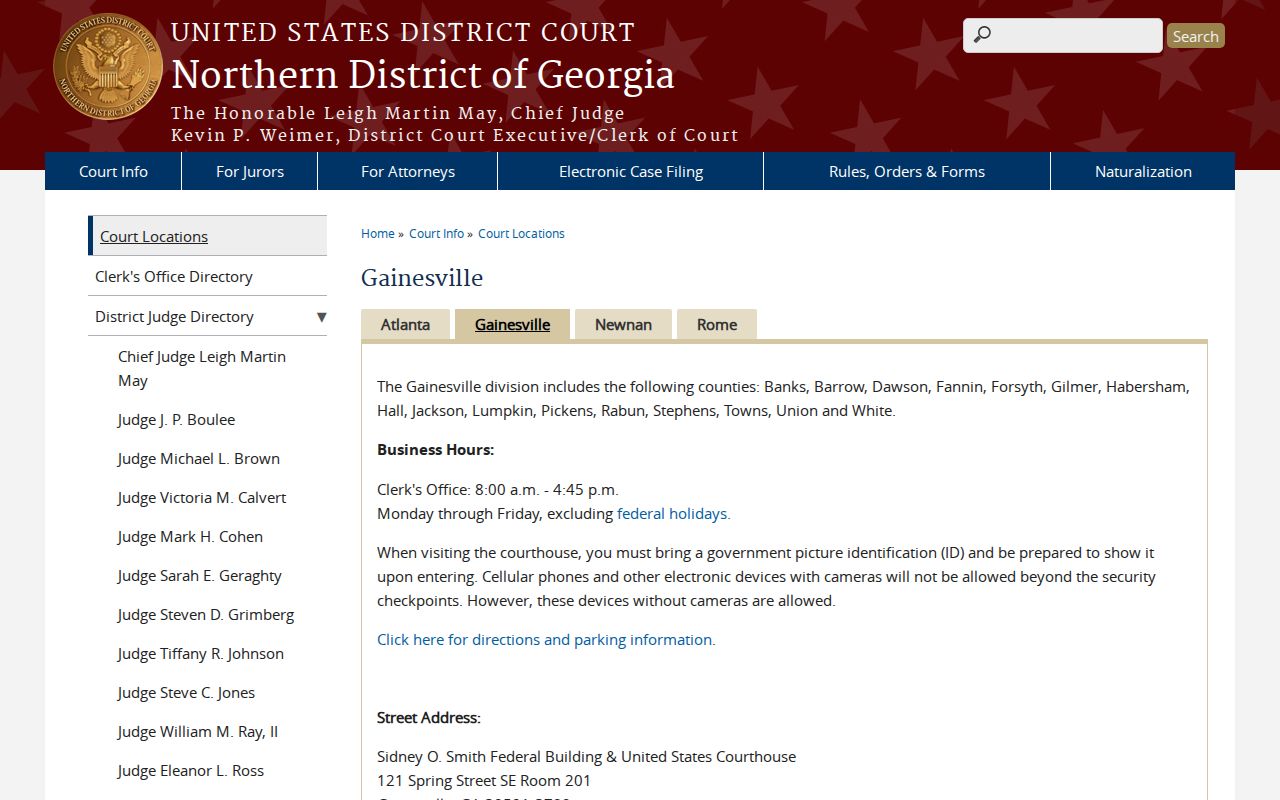
The federal record route is separate from a county arrest-warrant status call. A standing order effective August 1, 2026 covers personal service of civilian applications and the process for possible alternative service. Notice and a hearing ordinarily apply when a civilian files. Law-enforcement applications and urgent procedures follow their own governing law.
Serving Arrest Warrants in Jackson County
The Sheriff's Warrants Division is the practical contact for service and status questions in Jackson County. Call 706-367-8718 with the full legal name and date of birth ready. The official page offers no complete public name search, no status filter, and no active-warrant download. Officers serve a warrant once they locate the subject. The sheriff warns the public against attempting an apprehension, and no citizen should detain or confront anyone over a record. Use 911 for immediate danger. For confidential tips, call 706-367-3784.
GCIC Is Not a Public Search
The official PACER pricing FAQ explains the federal docket service and its access costs.
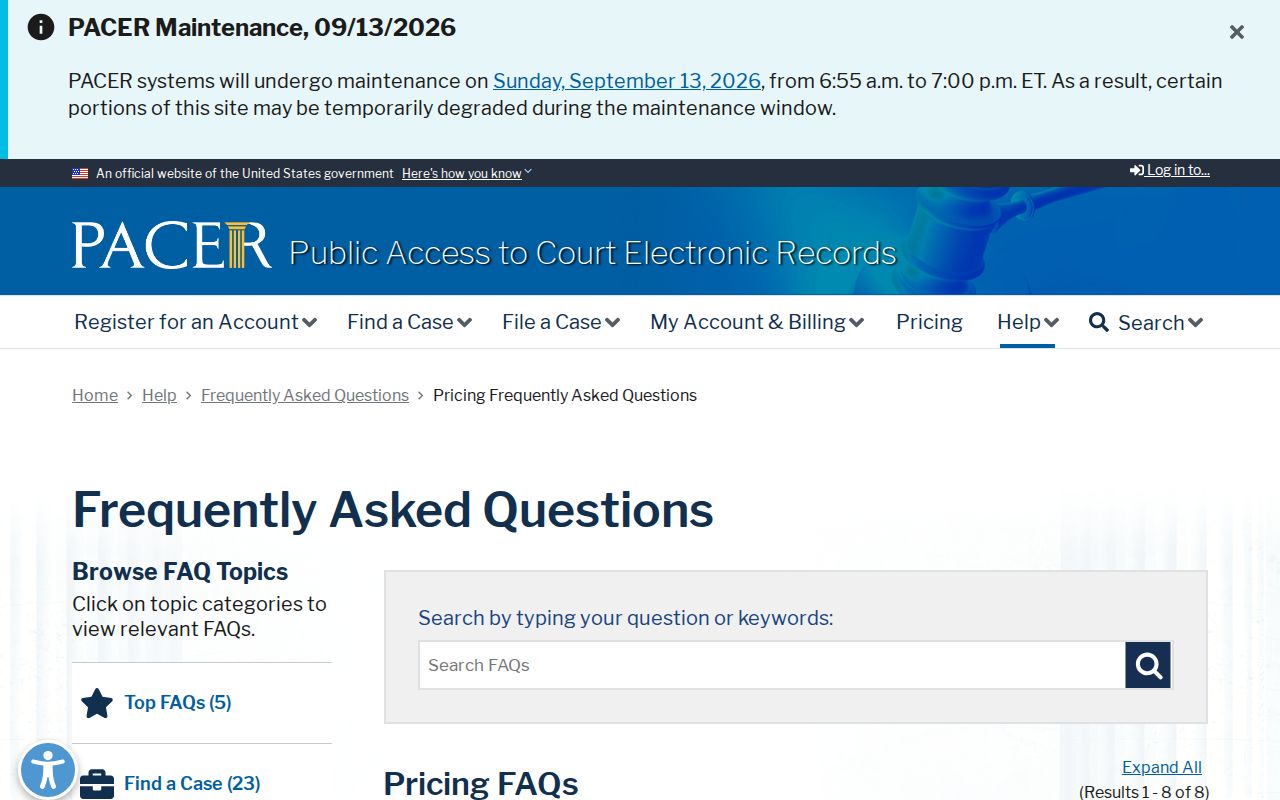
PACER supports docket research only. It promises no public federal warrant roster, and sealed warrant material may stay unavailable. Georgia sends residents county by county instead. For Jackson County arrest warrants, contact the sheriff. A city matter belongs to the city court or police, and a federal matter goes through the Northern District of Georgia, with PACER offering public docket context while some warrant material remains sealed.
Comparing Arrest, Summons, and Bench Warrants
These Jackson County court tools are not interchangeable. The document and the issuing court control what happens next.
| Process | Purpose | Typical Response |
|---|---|---|
| Arrest warrant | Authorizes custody based on probable cause | Attorney, surrender planning, bond process |
| Summons | Directs appearance without the same custody command | Appear as ordered |
| Bench warrant | Responds to a missed court duty | Issuing court, recall request, appearance |
A summons can lead to further court action if ignored. A bench warrant still authorizes arrest in Jackson County. Ask counsel about the exact record rather than trusting a label.
Jackson County Criminal History Differs
The sheriff's criminal-history service is not an arrest-warrant search. It requires Jackson County residency, an in-person consent form, photo identification, and a ten-dollar money order or certified cashier's check from a local bank. Most requests return state-only history in 15 to 20 minutes. That response covers past events under its own rules; it does not confirm that a warrant is active right now. A jail booking page records custody events, not current warrant status.
Jackson County Warrant Record Custody
The Clerk of Courts keeps Superior and State Court records and has served as Magistrate clerk since January 2020. When a Magistrate case is bound over, the original arrest warrant follows the trial-court record under Georgia practice. The Clerk page offers free online civil and criminal case searching, though a docket does not prove current service status. Search-warrant records follow a different rule. Georgia law lets certain materials stay nonpublic before execution and return. Juvenile records carry special confidentiality too. Use the proper custodian and expect lawful redactions.
If There's an Arrest Warrant for You
Do not dodge service or confront officers, and do not count on an outdated page. Reach out to a Georgia attorney. That lawyer can confirm the issuing court in Jackson County and walk you through voluntary surrender, first appearance, bond, and any motion that fits your case. Georgia itself warns that stepping into a sheriff's office can end in immediate custody, so plan the surrender with counsel.
Act carefully: Call the Jackson County Warrants Division and an attorney before an in-person visit. Only the court can set bond terms or grant relief.
Bonding goes through the Sheriff's page, which lays out cash, property, and professional options. Eligibility turns on the case and the judge's order, and the Jackson County warrant records overview walks the full resolution route.
Jackson County Arrest Warrant Records
Walk into any conversation about a Jackson County warrant with the issuing court, the alleged charge, and the case number written down together. Counsel needs all three. Ask whether the warrant allows bond and where a surrender should happen. A friend, a tip-line operator, or a payment vendor cannot interpret the order for you. Only the issuing court can change its own warrant. When you request a public record in Jackson County, name the specific document you want. The sheriff's incident form captures the details of what happened, while the Clerk of Court holds the filings themselves, and Georgia agencies may still redact protected identifiers. Keep in mind that the three-business-day response rule does not force open sealed material or give you an instant warrant status. If the Clerk docket and the sheriff response disagree, ask which order is the latest. A warrant may have been served, recalled, or even issued after a static copy was made. Let counsel reconcile those facts before anyone makes an uninformed visit.
Jackson County Court Copy Limits
The Jackson County Clerk of Court offers free case searching plus its own copy rules. Printing from the search tool requires an account. Certified copies run $2.50 for the first page and $0.50 for each added page. Those copies document court activity. They are not a live sheriff warrant list. Federal arrest warrants sit outside this county route entirely. PACER can display public docket material, though sealed warrants may not appear there. Jackson County falls inside the Northern District of Georgia's Gainesville Division. Go to that court for a federal record and to the Warrants Division for a local service question. Mixing the two offices can produce a false negative and send you to the wrong desk. Note the date and case identifier with every answer, since a later court event or service action can change warrant status.